Cybersecurity is no longer a back room concern for big enterprises. In Malaysia and the broader digital economy, security is now a daily reality for startups, gig platforms, government portals, banks, and everyday consumers. The rapid shift to online services and cloud based solutions has unlocked new opportunities for growth, but it has also broadened the attack surface. Threat actors are increasingly sophisticated, blending artificial intelligence with traditional tactics to bypass defenses, steal data, and disrupt services that millions rely on. This article offers a clear, practical map of the risk landscape, the forces shaping it, and the steps organizations and individuals can take to stay resilient in 2026 and beyond.
The macro landscape of the digital economy in Malaysia
The Malaysian digital economy is expanding rapidly. E commerce, fintech, digital payments, and smart city pilots are transforming how people work, shop, learn, and access public services. Yet with this growth comes exposure to a spectrum of cyber threats that mirror global trends while presenting local nuances.
- Expanding attack surface: Remote work, outsourced IT, and hybrid cloud environments increase the number of entry points that threat actors can target.
- IoT and smart city exposure: Connected infrastructure such as street lighting, traffic systems, and public amenities create new vulnerabilities if not properly secured.
- Supply chain risk: Vendors and platform partners can become weak links. A compromised third party can cascade into customer systems.
- Data gravity and regulation: Data localization, cross border data flows, and evolving privacy rules add complexity for compliance and security strategies.
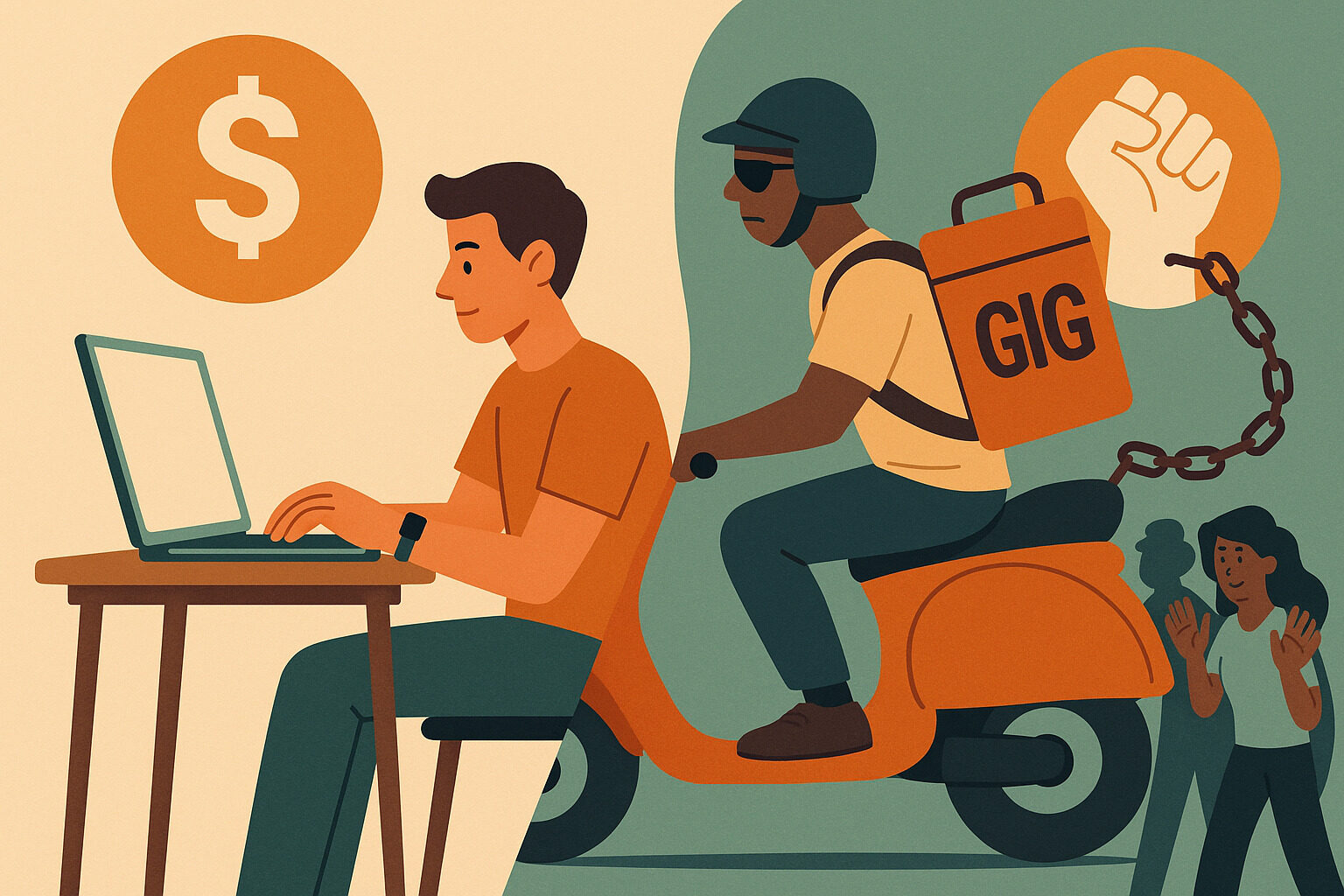
- Workforce dynamics: The gig economy and youth labor participation bring unique data handling and platform security challenges as more people access services from personal devices and networks.
In this environment, security is not a one time project but an ongoing capability. It requires adaptive leadership, informed decision making, and close collaboration between government, industry, and civil society.
The identity perimeter and AI driven offensives
The AI arms race and identity perimeter breaches
Artificial intelligence is reshaping both offense and defense in cyberspace. On the offense side, AI can automate credential stuffing, phishing campaigns, and social engineering at scale. Attackers can craft more convincing messages and tailor attacks to specific individuals or organizations in real time. On the defense side, AI can enhance anomaly detection, automate response playbooks, and quickly identify unusual patterns of activity.
- Credential abuse with AI: Attackers leverage AI to test large volumes of credentials and identify valid accounts faster than ever.
- Deepfake risks: Impersonation of trusted voices or officials can bypass traditional verification processes and sow confusion.
- Behavior based evasion: AI can help attackers learn from defender telemetry and adjust tactics to avoid detection.
To counter these threats, organizations should prioritize strong identity and access management, zero trust architectures, and continuous verification of users and devices. Education and awareness programs should emphasize not only technical controls but also behavioral cues that indicate phishing or social engineering.
Practical steps to harden the identity perimeter
- Enforce multi factor authentication everywhere, including for admin access and third party vendors.
- Deploy risk based authentication that changes verification requirements based on user context.
- Segment networks to limit lateral movement after a breach.
- Implement continuous monitoring of user behavior and device health.
- Use strong cryptographic practices for data at rest and in transit.
Geopolitics and advanced persistent threats
Geopolitical theater and operations by APT groups
Advanced persistent threat groups linked to nation states continue to target critical infrastructure, financial systems, and government services. In the ASEAN region, attackers may seek access to energy grids, telecom networks, and supply chains that underpin the digital economy. The geopolitical layer matters because it can drive both the volume and sophistication of attacks, and it can influence the regulatory and policy environment in which organizations operate.
- Critical infrastructure is a prime target: Power, water, and transportation systems are essential to daily life and economic activity.
- Cross border data flows become a strategic concern: Nations may push for data localization, affecting how services are delivered across borders.
- Public opinion and information operations: Cyber enabled influence campaigns can destabilize markets or erode trust in institutions.
What this means for organizations
- Build resilience by assuming that breaches may occur and design for rapid containment.
- Invest in threat intelligence that is specific to your sector and geography.
- Strengthen critical infrastructure with segmentation, redundancy, and tested incident response plans.
Ransomware evolution and fragmented actors
Ransomware remains a dominant threat, evolving from simple encryption to complex, multi stage campaigns that mix data exfiltration, double extortion, and disruption of business operations. The market for ransomware is increasingly fragmented, with a mix of well funded criminal groups, as well as affiliate networks that enable broad access to targets.
- Double extortion and data theft: Threat actors exfiltrate sensitive data and threaten to leak it unless payment is made.
- Ransomware as a service: Sophisticated operators offer ready to deploy toolkits for attackers with limited technical skills.
- Targeted campaigns against the supply chain: Attacks focus on vendors used by larger enterprises to gain access to multiple customers.
Defending against ransomware requires a layered approach:
– Regular, verified backups stored offline or in air gapped environments.
– Quick detection and response to identify intrusions before data is exfiltrated widely.
– Proactive vendor risk management to reduce exposure from third parties.
– Clear communication plans for customers and partners in case of breaches.
How to reduce exposure to ransomware
- Implement robust backup strategies with tested restoration procedures.
- Maintain up to date patching for all software, especially for remote access solutions.
- Deploy endpoint detection and response tools that can identify suspicious activity.
- Use write once read many (WORM) protections for critical data, and segment backups from daily operations.
- Train staff to recognize phishing and social engineering attempts.
Economic risks and digital sovereignty
Digital sovereignty concerns are becoming more prominent as data becomes a strategic asset. How data is stored, processed, and governed can affect national security, economic competitiveness, and trust in digital services.
- Data localization moves slow cross border business but can strengthen national oversight for critical data.
- Dependency on global cloud providers creates single points of failure and potential regulatory friction.
- Public sector data sharing requires robust privacy protections and clear accountability for data handling.
Organizations should align security and data governance with national policy objectives while remaining nimble to adapt to evolving rules. This includes building secure data pipelines, ensuring data integrity, and implementing transparent data sharing practices that satisfy both business needs and regulatory requirements.
Policy and defense recommendations for 2026
A practical policy framework that works in Malaysia and similar markets
- Strengthen critical infrastructure protection: Prioritize sectors that underpin the economy and public safety, with dedicated incident response teams and clear escalation paths.
- Promote public private collaboration: Establish joint cyber defense exercises, information sharing platforms, and rapid threat intelligence dissemination.
- Encourage secure software development: Support secure coding standards, software bill of materials, and vulnerability disclosure programs.
- Enhance data protection and privacy: Update PDPA like regimes, clarify data localization where appropriate, and ensure cross border data flows remain efficient with strong safeguards.
- Support workforce development: Invest in cyber security education programs and continuous professional development to meet demand in a growing digital economy.
Enterprise actions for 2026 and beyond
- Implement a formal cyber risk management program: Align with international frameworks such as ISO 27001 and NIST guidance.
- Move to zero trust: Verify every access attempt, regardless of origin, and minimize trust by default.
- Strengthen supplier risk management: Require security postures from suppliers and conduct regular security assessments.
- Build resilient, recoverable systems: Regularly test incident response plans and disaster recovery capabilities.
- Foster cyber insurance readiness: Select policies that cover ransomware, data loss, and business interruption with realistic recovery timelines.
Momentum and outlook for 2026
The digital economy will continue to expand, but so will the sophistication of cyber threats. In this climate, a proactive and well coordinated approach matters more than ever. The best organizations will invest in people, processes, and technology that make security a business enabler rather than a defensive burden.
- Leaders will prioritize security as a core business capability, integrating risk management into strategic planning.
- Security budgets will increasingly fund AI driven defense tools, threat intelligence platforms, and automated incident response.
- Public awareness and education will grow as more people understand the impact of cyber risk on everyday life and the economy.
As Malaysia and the broader region push towards more digital services and smart city initiatives, maintaining trust in the digital ecosystem depends on continuous improvement in cybersecurity. That means not only deploying technology, but also cultivating a culture of security minded leadership across government agencies, businesses, and civil society.
Implications for the gig economy and youth workers
The gig economy is a powerful driver of flexible work and economic inclusion, but it also brings security and privacy challenges that must be addressed.
- Data privacy for gig workers: Many workers use personal devices to access platforms, creating potential data leakage and insecure connections.
- Platform security: Gig platforms are attractive targets because they handle large volumes of user data and payment information.
- Labor union history and digital organizing: The shift to digital platforms has spurred new forms of worker organization. Unions and worker groups are increasingly focusing on digital rights, fair pay, and secure work environments.
Practical implications include ensuring secure platforms for ride hailing, delivery, and freelancing; offering security awareness training for gig workers; and supporting policy efforts to improve protections for workers in digital labor markets.
Case study oriented lessons for 2026
- A gig platform implements MFA for drivers and contractors with device binding, reducing unauthorized access.
- A smart city pilot includes an incident response drill that involves platform operators and local authorities to simulate a ransomware event.
- A youth led digital rights group advocates for privacy by design in government services and payment platforms, ensuring that young people understand how their data is used.
Practical steps for readers and organizations
- Strengthen identity and access management
- Enforce multi factor authentication on all critical systems
- Adopt zero trust for internal and external access
-
Regularly review access privileges and promptly remove inactive accounts
-
Improve patch management and software hygiene
- Keep all software up to date with the latest security patches
- Maintain an inventory of all hardware and software
-
Use automated vulnerability scanning and remediation workflows
-
Build a capable security operations posture
- Establish a security operations center or partner with a trusted MSSP
- Deploy security information and event management (SIEM) tools
-
Implement threat hunting to proactively identify breaches
-
Establish and rehearse incident response plans
- Create clear incident response playbooks for common scenarios
- Conduct tabletop exercises with cross functional teams
-
Communicate with stakeholders in a timely and transparent manner
-
Protect data with strong governance
- Encrypt sensitive data at rest and in transit
- Apply data loss prevention controls to prevent leakage
-
Define data retention policies and dispose of data securely
-
Manage third party risk
- Require security questionnaires and audits for suppliers
-
Monitor third party risk continuously and segment networks to limit impact
-
Align with regulatory and standards frameworks
- Adopt ISO 27001 or NIST aligned controls
- Ensure PDPA compliance for data handling and privacy
-
Prepare for cross border data transfer rules and localization requirements
-
Consider cyber insurance
- Evaluate coverage for ransomware, business interruption, and data restoration
-
Understand policy limitations and incident response obligations
-
Invest in people and culture
- Train staff and contractors in cyber hygiene, phishing awareness, and secure practices
-
Encourage a culture of security minded decision making
-
Leverage public private partnerships
- Engage with government CERTs or equivalent agencies
- Participate in national cybersecurity drills and information sharing programs
Conclusion: balancing growth and security in the digital economy
The future of the digital economy in Malaysia rests on a careful balance between opportunity and security. Growth in e commerce, fintech, and smart city initiatives can accelerate prosperity, but only if we proactively manage cyber risk. Leaders across business, government, and Civil Society must work together to build resilient systems, robust data governance, and a security aware culture. By investing in people, processes, and technology, Malaysia can continue to innovate and compete while protecting the trust that underpins the digital economy. The window to act is now, and the steps outlined above provide a practical blueprint for 2026 and beyond.